Inspiration & Advice
Stop the flop: how to support tomato plants
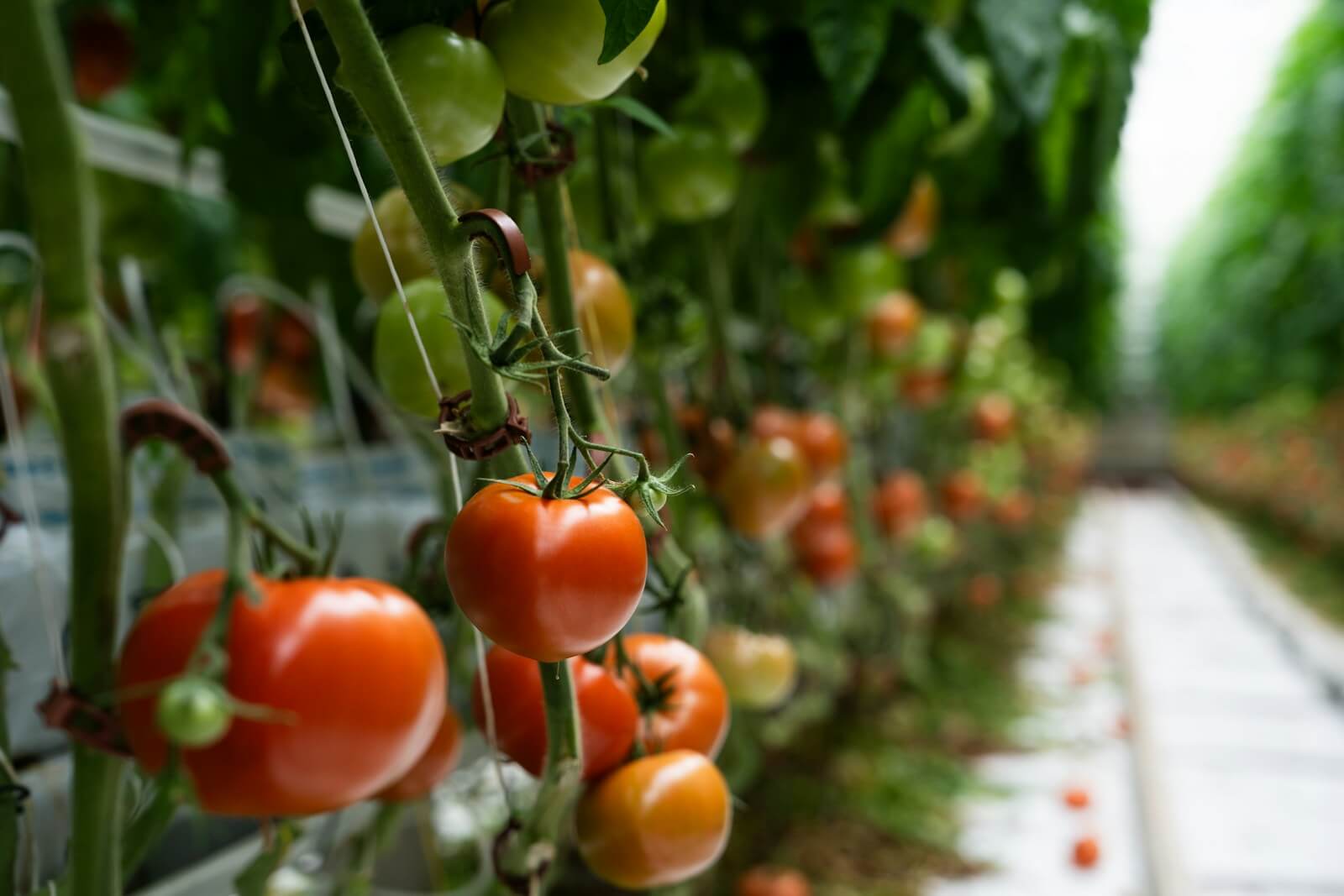
Keen to get some tomatoes growing? Before you dig in, let’s talk support.
Tasty tommies are easy to grow, busy fruiters and taste delicious whether chopped through salads or turned into pasta sauce. But giving them something to lean on is a must for best results.
Here’s our Jack guide on how to support those toppling tomato plants, with handy product picks based on variety and the size of your outdoor space.
Explore categories: Vegie Trainers | Plant Trainers
Why do tomatoes need support?
A support structure (like those found in our Vegie Trainer and Plant Trainer ranges) helps tommy plants grow straight and stay upright – rather than spreading across the ground. Plus, it supports the weight of those heavy bunches that would naturally head south!
Keeping your toms off the ground gives the leaves and fruit good airflow. This helps reduce the risk of fungal diseases like blight and mildew destroying your tasty harvest.
Using supports also makes picking those ripe balls of goodness easier when the time comes. You won’t be digging into a scramble of growth to find the ones playing hide and seek!
And, if you only have a small outdoor space, tomato crop supports make great use of otherwise unused vertical space – helping you grow more tomatoes in the space you have!
When should you add tomato plant supports?
The early bird catches the worm, as they say. And the gardener who supports early catches those tomato plants before they flop!
And by early, we mean the day you plant those seedlings, ideally. If they’re already in the ground, give them something to lean on before they reach 20-30 cm tall or growth becomes heavy.
This gives your toms something to grow into, rather than trying to add support once they’ve become a sprawling mess.
Best tomato support: stakes vs cages vs A-frames vs trellises
Now you know the why and the when, let’s talk about the what – what type of plant support should you use for your tomatoes? You’ve got heaps of options.
Here’s a handy comparison to help you pick the right support, whether your toms are growing in Pots & Planters, Raised Garden Beds or straight in the ground.
| Support type | What it does | Best for | Jack product picks |
|---|---|---|---|
| Stake | Gives your toms a simple vertical support to grow against | Single plants, pots and planters, and smaller tomato varieties | Garden Stakes, Bamboo Stakes |
| Cage | Surrounds the plant, supporting stems and heavy fruit as it grows | Bushy or heavily fruiting tomato plants (great for beginners!) | Jack tomato cages, Knock Down Tomato Cage |
| A-frame | Creates a sturdy, angled structure for tommy plants to climb or lean against | Vining tomatoes and plants that need more vertical support | Jack A-Frame Plant Trainer |
| Trellis | Gives climbing tomatoes a structure to grow up and along | Tall, vining varieties and tomatoes in raised beds or smaller spaces (balconies, courtyards) | Grip ‘n’ Grow Tube Wire Trellis, Wire Trellis |
Handy Jack tip!
Did you know there are two main growth types of tommy plants? The bushy ones are called determinate tomatoes – they grow to a set size and then stop. Vining tomatoes are indeterminate tomatoes – they keep growing and fruiting through the season.
Growing more than tomatoes? Eeny, meeny, miny, grow: how to pick the best plant supports
How to use tomato stakes
- Place the stake around 5–10 cm from the plant, being careful not to damage the roots.
- Use soft Plant Ties every 15–30 cm or so as the plant grows, leaving a little slack so the stem can thicken.
- As your tomato plants get taller and heavier with fruit, add extra ties where needed.
Dig deeper: Your sweet guide to tomato cages and stakes
How to use tomato cages
- Guide those growing tomato stems through the cage openings as your tom plant gets bigger, spreading them around the structure.
- You don’t need to tie every stem – let the cage provide most of the support as the plant grows.
- If a heavy branch needs extra help, use a soft tie to secure it to the cage.
How to use an A-frame for tomatoes
- Guide growing tomato vine stems onto either side of the A-frame as they grow, using soft ties every 15-30 cm or so if you need to.
- Keep ties loose enough so the stems grow and thicken without getting squished.
- Continue helping new growth up and along the frame to spread the weight of your tommy plants and fruit.
How to use a trellis for tomatoes
- Guide the main stems towards the trellis and use soft ties every 20–30 cm or so to secure them as they grow.
- Don’t tie stems too tightly against the trellis – leave finger room for natural movement and growth.
- Continue training new growth upwards, adding ties where needed to keep stems and toms supported.
How to support tomatoes in pots
- Use a strong stake or sturdy cage, pushing the legs or stake 10–15 cm into the mix near the pot wall so the rim helps hold it.
- For big pots or windy spots, add a bit of gravel to the bottom and/or tie the pot or stake to a fence or rail so it can’t tip.
- Tie stems with soft plant ties every 15–30 cm as it grows, and loosen any tight ties each week.
Handy Jack tip!
Before choosing your support, get the pot size right. Too small, and tomatoes can stall, dry out quickly and topple over. Aim for around 18–20 litres for cherry tomatoes and dwarf tomato plants, 25–30 litres for bush tomatoes, and 40 litres+ for large vining varieties.
Fill your plate: Sow, grow, harvest! Top vegetables to plant in spring
How to tie tomato plants without damaging stems

The best way to tie a tommy plant to a support is using soft ties in a figure-eight shape – check out our pre-cut twistable Foam Soft Ties and our eco-friendly cloth Enviro Tie.
The support should be in one loop, and the stem in the other, with the tie crossing over between them. Keep the loops loose and check them every week or two, loosening or shifting them as the stem grows.
Common tomato support mistakes (with easy fixes!)

In the rush to get those tomato plants in the ground and supported, it can be all too easy to make mistakes that affect your harvest. Here are some common pitfalls and how to avoid them:
- Tardy installation – Waiting until your tommy plants are already sprawling makes it harder to add support without disturbing the plant. Get your support in place early, before they get too big.
- Not strong enough – A flimsy support can buckle under the weight of a mature plant and its fruit. Choose a sturdy support that can handle the plant at its full size.
- Overcrowded planting – Too many toms on one support can leave foliage packed together, restricting airflow and making it harder for light to reach the plant. Stick to one tomato plant per stake or cage and give multiple plants on an A-frame or trellis enough room to spread.
- Suffocating ties – Tying stems too tightly can restrict growth and damage the stem as it thickens. Use soft plant ties and leave enough room for the stem to grow.
- Forgetting to re-tie – As your toms grow, those carefully placed ties can become too tight or no longer support the right spot. Check ties often and loosen, reposition or add them as needed.
- Failing to prune – Letting tomato plants grow unchecked can create a tangled, top-heavy plant. For varieties that benefit from pruning, remove unwanted suckers and excess growth to keep the plant manageable and well supported.
- Staking too close – Pushing a stake or support leg right next to the stem can damage the plant’s roots. Place the stake/legs around 5–10 cm from the stem, taking care not to disturb the root ball.
Frequently asked questions (FAQs) – supporting tomato plants
What are the best tomato varieties to grow at home?
Good tomato varieties to grow at home include Tiny Tim, Patio, Tommy Toe, Grosse Lisse and Roma. Choose compact, determinate plants like Tiny Tim for pots and small spaces, or vigorous, indeterminate varieties like Tommy Toe and Grosse Lisse if you have room for a stake, trellis or A-frame.
What is the best support for tomato plants?
The answer depends on the type of tomato plant you’re growing and where you plan to grow it! Garden Stakes work just great for smaller varieties and in pots, Tomato Cages are good for bushy varieties (and beginners); A-frames for heavy vining toms; and trellises for tall spreaders.
Do tomatoes need stakes or cages?
Stakes are great for single and lightweight tomato plants such as Tiny Tim – and are perfect in Pots & Planters. Cages are a better pick for bushy varieties and are super beginner friendly as you can guide rather than tie those stems.
When should I stake tomato plants?
The best time to stake a tomato plant is when you plant it. By giving it something to lean on straight away, you reduce the risk of stems flopping and breaking because you forget to add support later!
Can tomatoes grow in a trellis?
Yes! Trellises are perfect for taller, vining varieties, such as Grosse Lisse, indeterminate Beefsteak or Tommy Toe. Trellises are actually pretty handy supports as they maximise your growing space when square metres are limited.
What is a Florida weave?
A Florida weave is a simple way to support multiple indeterminate vining tomato plants using stakes and twine. Weave twine between the stakes and around the stems as your toms grow, to keep them upright and supported. Our Twist Cotton Twine ticks the box for this job.
How do I support growing tomatoes in pots?
Pick a sturdy stake, cage or trellis trainer that suits the size of your tommy plant and pot. Make sure the support is secure and won’t tip as your plant grows, and use soft ties to gently secure stems as they shoot up. For bigger varieties, choose a large, heavy pot and a strong support to keep everything upright.
How do I stop tomato plants falling over?
You can stop tomato plants falling over with plant supports, including stakes, cages, A-frames, and trellises. They love something to lean on and wrap themselves around. With stems supported, they grow upwards, stay off the ground and don’t snap under the weight of nature’s tasty balls!
Dig in: Master growing tasty tomatoes from seed
Master growing and harvesting tasty tomatoes
Give your tommies a helping hand
Now you’re a tomato support pro. It’s time to put what you’ve learnt into action. Simply pick your Jack products and head to your local Jack supplier to grab them.
Growing some stand-up tommies in your yard? Why not share some snaps on socials, tagging @meetdiyjack? We’d love to see what your tasty balls are being held up by – and might even give you a shout-out!