Inspiration & Advice
How to start a small veggie garden on a budget
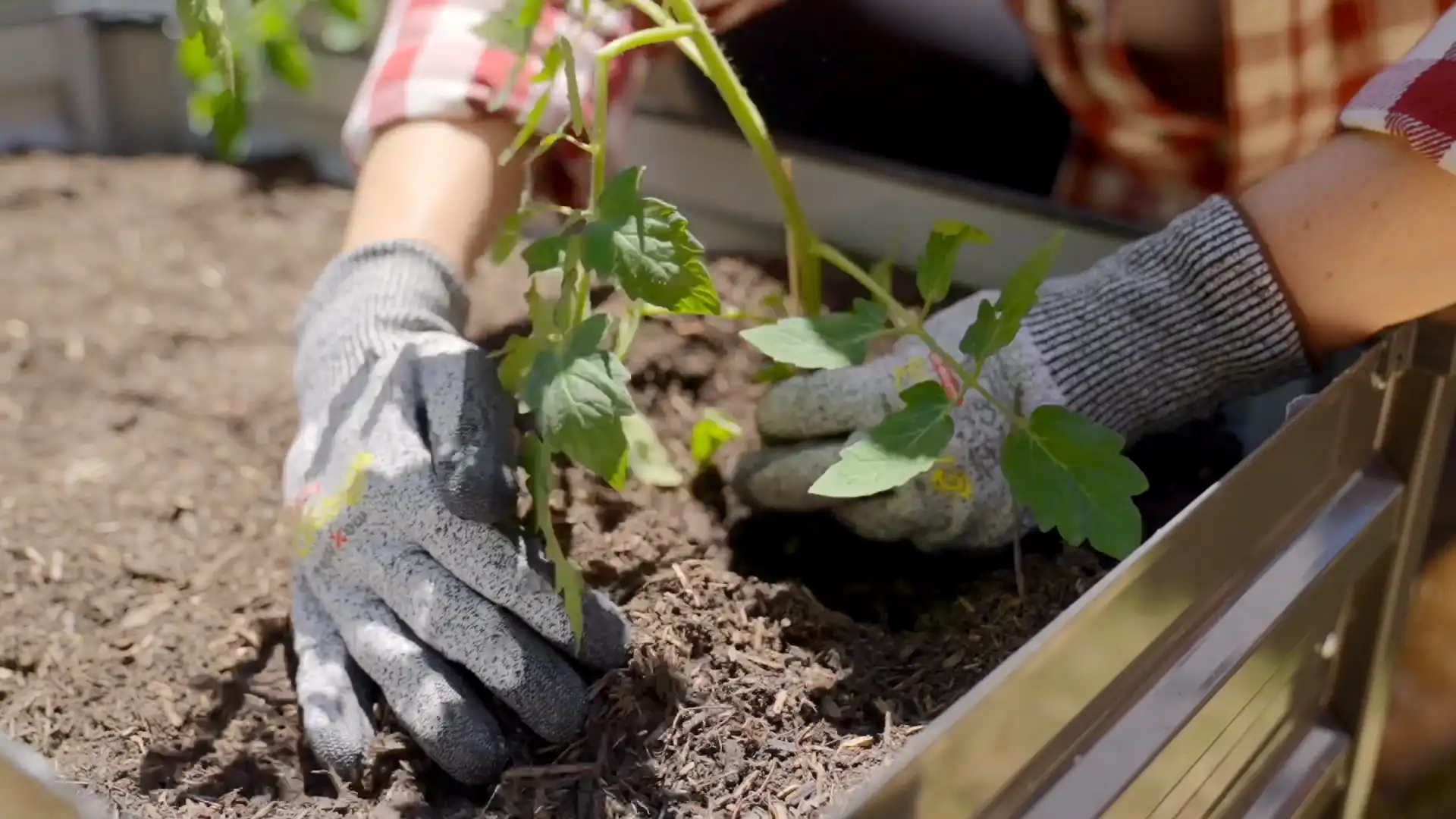
With the cost of living creeping up, grocery bills can feel like they’re taking a big bite out of your budget.
Even a quick mid-week top-up shop can leave you wide-eyed at the checkout. So, what’s the easiest way to save a few bucks? Grow your own! With a few pots, planters or a small patch of space, you can harvest fresh homegrown veggies right from your own garden.
Wondering how to start a veggie garden on a budget? Whether you’re a first-time grower, working with a small yard or making a balcony garden bloom, Jack’s got your back!
Explore categories:
Plant Stands & Pots
Pots & Planters
Raised Garden Beds
Plant Growing & Protection
Landscaping & Garden Design
Why a small edible garden is the best place to start
Tip number one: don’t be too ambitious! There’s no need to grow every kind of edible or tend to a large, Instagram-worthy plot from day one. Instead, start small and grow from there.
Small veggie gardens on a budget can start with minimal cost and effort. Think one small garden bed or a few pots with easy wins like herbs, salad greens and compact vegies, grown on the ground or in vertical spaces like walls.
Beyond cost, the real value is fresher food, less waste, repeat harvests and the simple satisfaction of growing your own at home.
Be inspired: Jack’s no-fuss guide to container gardens for newbies
Begin with what you actually eat
Wondering what you should grow in your edible garden?
Start with what you already enjoy eating – especially the foods you buy a lot – and grow those. There’s not much point planting a heap of vegies you won’t actually use. That’s not very budget friendly.
Here are some easy favourites for a beginner’s veggie garden (depending on your climate and the season – make sure you check what grows best in your region):
- Herbs
- Leafy greens like lettuce, spinach and kale
- Spring onions
- Radishes
- Strawberries
- Tomatoes
- Beans
- Peas
- Chillis
Most of these are super cheap to grow from seed (usually only a few dollars), which makes them perfect for a budget veggie garden. The only exception is strawberries, which are usually better bought as small plants, as they can be a bit lazy and unreliable to get going.
Handy Jack tip!
Don’t start with 10 different varieties of edibles, or you might be setting yourself up for failure. Pick three to five and give them the attention they deserve.
Dig in: Sow, grow, harvest: Top vegetables to plant in spring
Choose the cheapest set-up for your space
Once you’ve picked your edibles, it’s time to decide where to plant them. Here’s a handy table to help you select the most budget-friendly setup for your space.
| Outdoor space | Best budget set-up | Best for | JACK product/category |
| Balcony rail | Rail planter | Herbs, salad leaves, strawberries | Garden Up Herb Rail Planter / Classic Rail Planter |
| Sunny wall or fence | Vertical planters | Edibles without using floor space | Garden Up Petite Wall / Mix ‘n’ Match |
| Small courtyard | Pots plus plant supports | Compact vegies and herbs | Pots & Planters / Plant Trainers |
| Side path | Slim pots or raised planter zone | Useful growing strip | Pots & Planters / Plant Ties |
| Small backyard | One compact raised bed | Higher-capacity edible patch | Square Raised Garden Bed / Round Raised Garden Bed |
| Any space with birds/pests | Basic crop protection | Protecting seedlings and young plants | Plant Covers / Bird Netting / Crop Cages |
Now let’s dig into the details. We’ve done the groundwork and put together some different small garden scenarios for you.
Pots and planters for balconies, courtyards and side paths
If your outdoor space boils down to just a balcony or courtyard, wall and rail hanging garden pots and planters are your perfect vegie garden vessels. Check out our Garden Up Herb Rail Planter, Classic Rail Planter and Mix ‘n’ Match Classic Pot.
Not only do they add soil and growing space to hard surfaces, but they’re also moveable. That means you can follow the sun around your space – and pack them up and take them with you if you’re in a rental.
Some vegies are happy to share a pot, while others grow best with a buddy. Try classics like tomato and basil, carrots and spring onions, lettuce and herbs, or spinach and radishes.
Handy Jack tip!
Combine pots and planters with vertical plant trainers to create an even more fruitful corner.
Explore the range: Pots & Planters
Be inspired: Garden pot playbook for smaller outside spaces
Vertical gardens when floor space is tight (or walls unused)
When you’re tight on floor space, growing up is a great way to start a vegie garden on a budget. You just need a sunny bare wall, fence or even a simple balcony railing, plus a bit of newbie green thumb enthusiasm!
Our Garden Up range makes vertical gardening even easier, with simple-to-install designs that don’t require major tools or setup. Check out our Garden Up Petite Wall and Garden Up Herb Rail Planter.
Many are self-watering too, which means less daily fuss and happier growth. Plus, they’re modular, so you can start small and keep adding as your vegie garden (and confidence) grows!
Handy Jack tip!
Another super simple option is our Garden Up Freestanding Kit – no wall or railing needed. Just pop it up and off you grow! With five layers, it’s the perfect starter setup for an easy, space-saving veggie garden.
Explore the ranges: Garden Up® Mix ‘n’ Match (walls, fences)
Garden Up Rail Mount (balconies)
Dig in: Vertical gardening: take vegies and herbs to new heights
Raised garden beds when you have a little more room
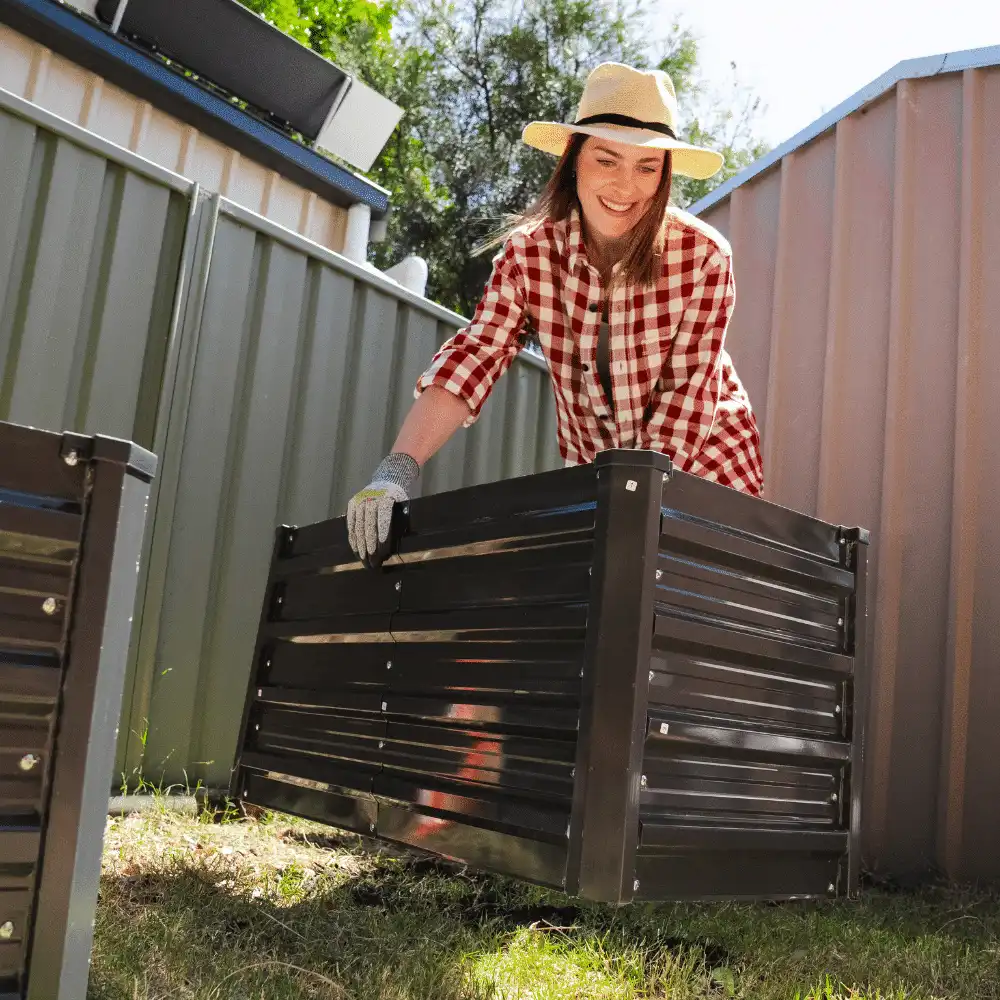
If you have a small yard with a bit more floor space, Raised Garden Beds make a sweet veggie patch. You can fill them with quality soil, they offer better drainage, plus they’re easier on the back and knees!
To keep things budget-friendly, start small. Compact beds are not only cheaper, but they’ll also slot more easily into your garden, saving you from any costly redesigns.
We’ve got a great range of weatherproof and easy-to-set-up raised garden beds here at Jack. Some of our top picks include our Square Raised Garden Bed, Raised Garden Bed – Round (limited edition, no less!) and our Rectangular Garden Bed.
Explore the range: Raised Garden Beds
Dig in: The 6 dos (and 6 don’ts) of raised garden beds
Be inspired: How to design a small garden, Jack style
Don’t waste your budget: protect what you plant!
Starting a budget-friendly edible garden to grow your own vegetables isn’t just about what you fork out up front. It’s also about protecting the plants you buy and sow.
Firstly, this means giving certain varieties something to lean on. Climbing beans, peas and tomatoes, to name a few, need plant supports to stop stems snapping and encourage healthy growth.
We have heaps of plant supports to choose from, including Vegie Panels, Vegie Cages, Garden Stakes Range – plus Plant Ties to help guide them.
Dig in: Eeny, meeny, miny, grow: how to pick the best plant supports
Secondly, you need to protect your vegie garden from common garden risks, such as pecking birds, nibbling pests, damaging weather conditions from scorching sun to winds, frost and cold snaps, plus any pets you have at home.
Unsure what protection you need? Start with these affordable and effective options: Plant Covers, Crop Cages, Bird Netting and Netting Anchor Pins. If you’re building a raised bed, check out our Tunnels & Covers.
Explore the range: Plant Protection
Budget veggie garden starter checklist

Now we’ve got the details covered, here’s your simple budget veggie garden starter checklist to work from:
-
- Start small: Start small with a few easy, in-season crops you’ll actually eat.
- Position in sunlight: Pick the sunniest spot you’ve got – vegies love a good hit of sunshine.
- Pot, planter or raised bed: Start small and match it to your space (balcony, courtyard or backyard nook).
- Soil or potting mix: Don’t cut corners here, good quality potting mix is where the growing magic happens – or the right garden soil mix in raised beds
- Seeds or seedlings: Seeds are the most budget-friendly option, but use seedlings for trickier crops
- Easy water access: Keep it close – a hose, tap or watering can within easy reach.
- Add support: Stakes, cages or trainers for anything that likes to climb or get a bit leggy.
- Keep protected: Netting or covers to keep birds, bugs and bad weather from undoing your hard work.
Frequently asked questions (FAQs) – how to start a veggie garden on a budget
Got some specific questions about small-budget veggie gardens and container gardening? Jack’s got your back.
How do I start a small veggie garden on a budget?
When growing your own food, start small with a few easy, in-season crops you’ll actually eat. Choose a sunny spot, use good-quality soil, and begin with pots and planters, including rail planters, vertical wall planters or a raised bed.
What is the cheapest way to start an edible garden?
The cheapest way to start an edible garden is to grow from seed, reuse containers where possible, and focus on a small, easy-to-tend space. Pick simple crops and expand gradually as your green-thumbed confidence grows!
What vegetables are easiest for beginners to grow?
Vegies for beginners you can find at your local garden centre include herbs, leafy greens, spring onions, cherry tomatoes and beans. These are all easy peasy to look after, fast-growing, and well-suited to small spaces. Just make sure you run with the seasons.
Can I grow vegetables on a balcony?
Yep! Balconies are perfect spots for growing vegies in pots, planters and vertical systems – like those in our Garden Up range. As long as your limited space gets enough sun, you can grow a fruitful edible vegetable garden in a small footprint.
Are raised beds worth it for a small veggie garden?
Raised garden beds are definitely worth it for small food gardens because they boost soil quality, drainage and control. They’re awesome if you have a bit more space and want a more structured setup.
What can I grow in pots and planters?
Pots and planters are ideal for herbs, lettuce, spinach, spring onions, strawberries and cherry tomatoes. Choose crops that suit the container size and make sure they have good drainage and sunlight.
How much sun does a small veggie garden need?
Most edible plants need at least 6 hours of direct sunlight every day. The more rays they get, the happier they’ll be and the more they’ll reward you come harvest time!
Should I start with seeds or seedlings?
Seeds are the most wallet-friendly option and work well for easy crops like greens and beans. Seedlings are better for slower or more sensitive plants like tomatoes and strawberries.
How do I protect a small veggie garden from birds and pests?
You can easily protect a small veggie garden using netting, covers or simple garden cages. Early protection helps prevent damage from pesky pests and weather. Check out our Plant Protection range.
What Jack products are best for a budget edible garden?
For a budget-friendly garden, start with Pots and Planters for flexibility, use Garden Up vertical systems for small spaces, or choose a freestanding kit if you want an all-in-one easy setup without a garden bed.
Plan your plot before spring arrives
Winter is the perfect time to plan – and prep – for your budget veggie garden.
Buy your products from a local Jack supplier, set up your beds and planters, and you’ll be ready to go when spring growing season arrives. Or get started with cool-season beginner edibles such as lettuce, spinach and spring onions.
As you gain more confidence, you can start growing bigger – adding an extra pot, planter or raised bed at a time – and bringing even more healthy, homegrown groceries to your plate.
Once your budget veggie garden is looking good – and producing the goods – why not share some snaps on socials, tagging @meetdiyjack? We’d love to see just how you’re saving money – and getting outdoors – with growing your own!