Inspiration & Advice
Eeny, meeny, miny, grow: how to pick the best plant supports

Growing is hard work, so give your plants something to lean on – literally! From juicy tomatoes to climbing roses and heavy vines, the right plant support is the difference between a flourishing, intentional garden and a floppy, sad one!
But with so many different types of plant support to choose from – mesh, trellis, trainers, stakes – where do you even start? Don’t stress! Jack’s got your back once again with this quick and easy plant supports guide.
Why plants love a little support
Before we dive into the specifics, grab your garden binoculars (or reading glasses!) and let’s zoom in on the benefits.
Here’s why plant supports are a big ‘yes’:
- Give young plants a strong start – They’ll grow into sturdy, happy stems
- Stop heavy fruits and vegies from snapping – They won’t break under their own weight
- Shield tall plants from strong winds – This keeps them standing upright rather than flattened
- Help climbers reach new heights – They get something solid to grab onto and show off their blooms
- Boost air circulation – Your plantlings experience less disease and stay healthier
- Keep fruit off the ground – This prevents rot and keeps pesky pests away
- Make harvesting a breeze – Your homegrown goodies are easier to pick and enjoy
- Add style and structure – Your garden stays neat, tidy and swoon-worthy
There’s no denying it, the right supports aren’t just handy, they’re a must for happy plants and gorgeous, intentional spaces. But standing in the aisle staring at the shelves, do you know which type to pick?
Plant supports: Eeny, meeny, miny, grow
From trellis to mesh, trainers and stakes – here’s a quick rundown of each and when to use them.

Trellis: for climbing features
Trellis is a trusty favourite for backyards, decks and balconies. These (usually) vertical structures are good for climbers and vines, screening and garden features, adding height and width to your growing spaces.
Our Jack Garden Trellises are budget-friendly and easy-pea-sy to install – just pick your spot and push them into the ground. Plus, they’re made from durable powder-coated steel, so your support will last for years.
Plants trellises supports: Jasmine, climbing roses, clematis, sweet peas, cherry tomatoes
Where trellis shines: Against fences, as a divider, along pathways, in pots
Mesh: for free-growing coverage
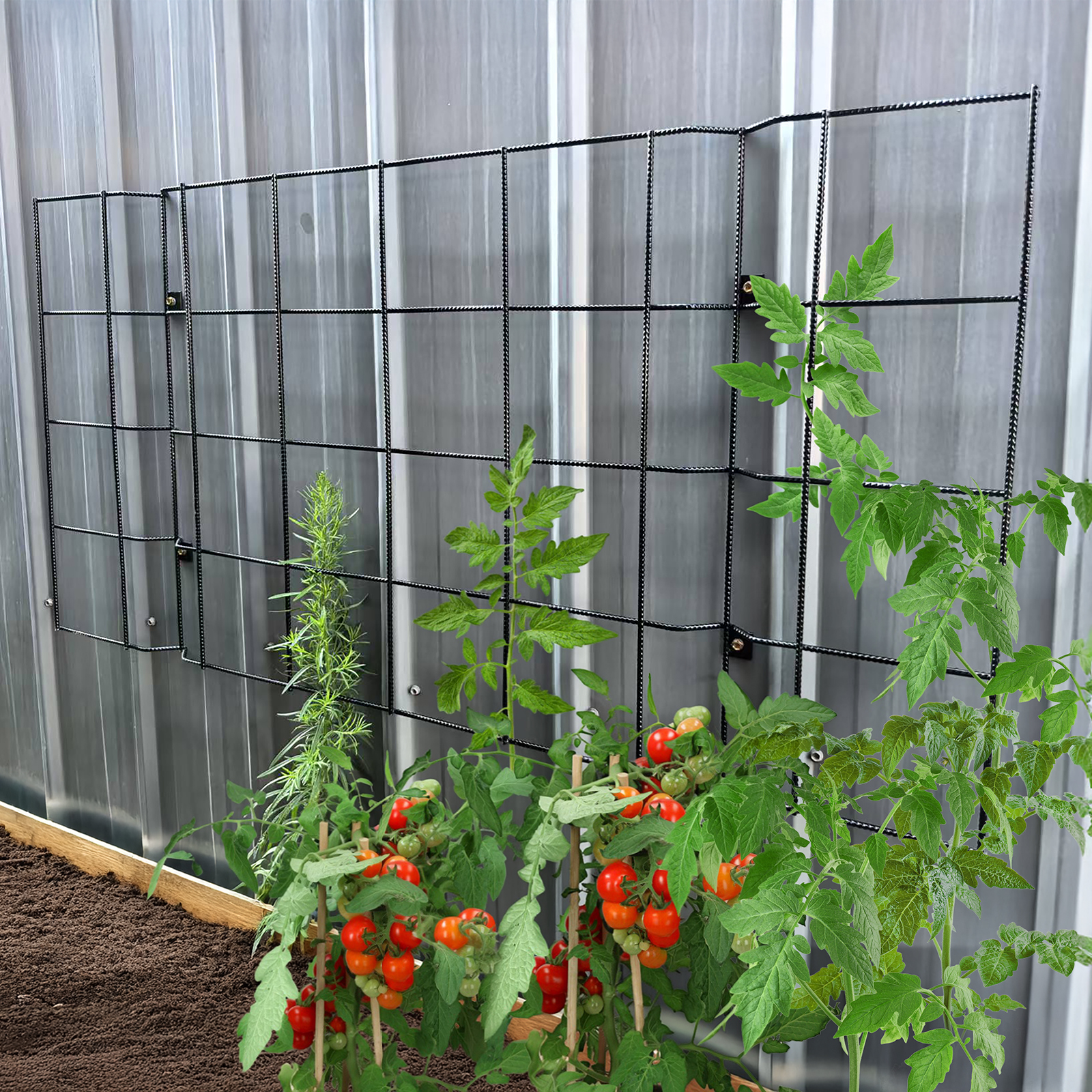
If you’re looking for a large, easy structure that gives plants room to spread their tendrils and climb freely – eeny, meeny, miny mesh! Mesh lets you turn fences into forests to create pretty backdrops. It’s great for big gardens.
Firm, heavy-duty plastic or wire mesh from our Jack mesh range is easy to handle and can be cut to size to fit your surface area. It’s simple to attach using screws, vine eyes, garden wire (around fence posts) or timber batons.
Plants mesh supports: Passionfruit, wisteria, grapevines, espaliered trees and shrubs, cucumber, beans
Where mesh shines: On fences, along retainer walls, sides of homes or sheds
Explore the range: Garden mesh
Trainers: for shaping with purpose
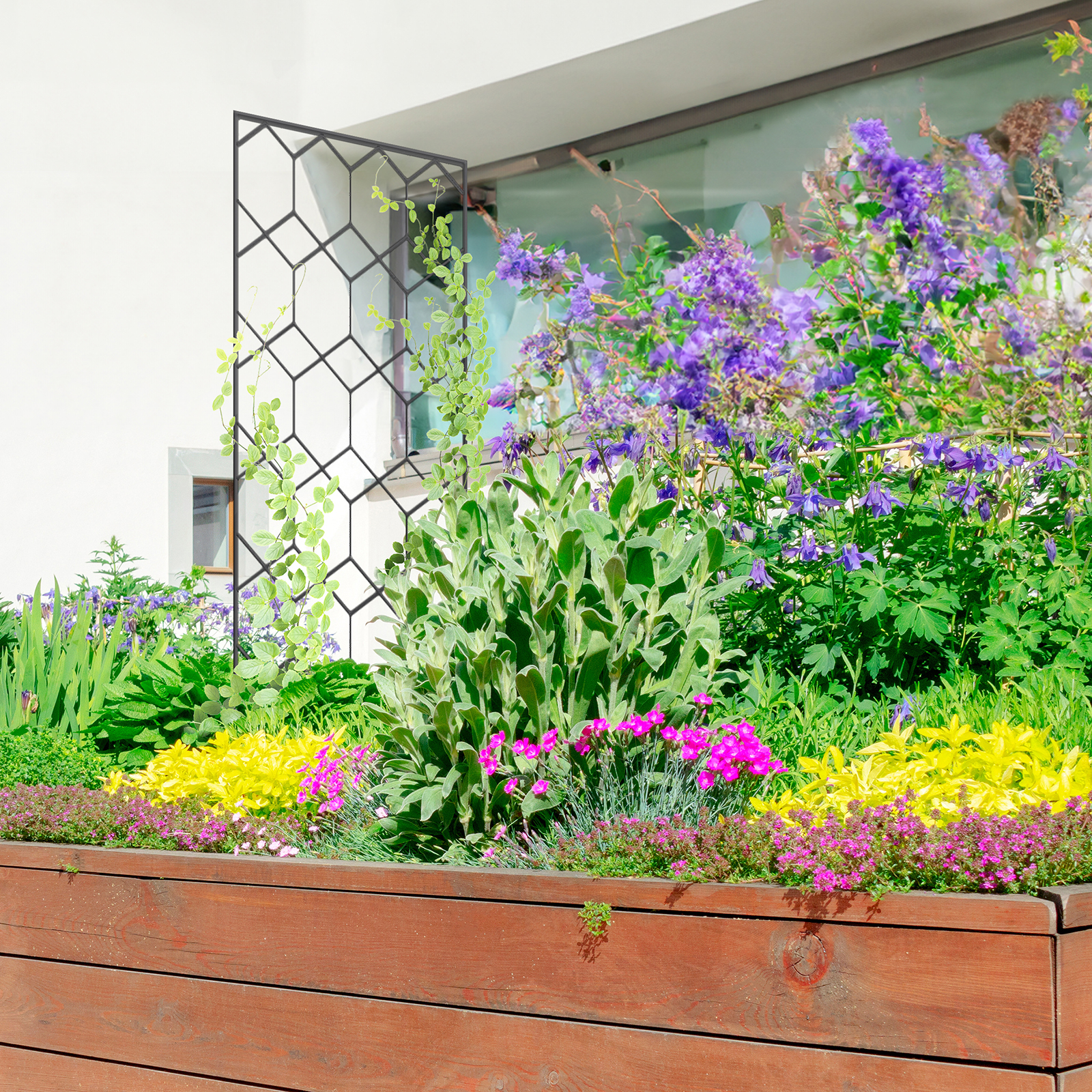
Designed for controlled guiding and anchoring, plant trainers help you train your plants to grow in the direction you desire. They’re what you give baby plantlings to show them the way – and to keep growth in line.
Just like our plant trellis, our Jack plant trainers are quick and easy to set up. Simply push or tap them into the soil, and you’re ready to tame those infant tendrils. All are made from strong yet lightweight weather-proof steel.
Plants trainers support: Star jasmine, tomatoes, peas, beans, Japanese cucumbers
Where trainers shine: In garden beds, pots and planters, vegie plots, front yards
Explore the range: Plant trainers

Stakes: for simple, single-stem support
Garden stakes are plant support at its most basic. If your plant grows straight up and/or needs a little something to lean on (hello heavy veg), a stake is all you need – slim, hardly visible and easy to pull out when the season’s done.
To use stakes, simply stick them in the soil, tie on your plant or tree, and you’re good to grow! You can choose our Jack bamboo flower stakes for a great eco option – or go with steel or PVC designs for something more durable.
Plants stakes support: Dahlias, delphiniums, roses, young trees, sunflowers, eggplants, tomatoes,
Where stakes shine: In garden beds, vegie gardens, balconies, pots and planters
Explore the range: Garden stakes
- If it climbs and you want a feature: Trellis
- If it sprawls and you want coverage: Mesh
- If you want controlled direction and neatness: Trainers
- If it’s single-stemmed, tall or heavy: Stakes
Explore the full range: Plant supports
Common climbing plant support mistakes (and how to avoid them)
Whatever plant support you pick, there are some general rules of (green!) thumb worth following. Unfortunately, they often aren’t known or get skipped – and garden health pays the price.
Here’s what to watch out for:
- Leaving it too late – Plants grow faster than weeds after a rainy week, and once they’ve flopped or snapped, you can’t un-flop them! Get your supports in early, and your plants will thank you with strong stems and happy blooms.
- Tying too tight – A tie should guide a plant, not strangle it! Always make sure you leave a little wiggle room so the stem can breathe and thicken as it grows. If it looks like it’s cutting in, it is.
- Going light on stakes for heavy fruiting plants – A tomato plant loaded with fruit is a very different beast from a seedling. If it’s going to carry weight, make sure the stake can too. When in doubt, go bigger.
- Trellis flush against the fence – It seems tidy, but zero gap means zero airflow – and that’s a fast track to mildew and disease. Even a few centimetres make a real difference.
- Staking too far from the plant – If the stake isn’t close enough, the tie has to do all the work, and your plant will still sway and flatten in gusty winds.
- Only staking from one side – Tall or top-heavy plants often need two or three stakes to stay truly stable, especially in exposed spots.
- Leaving old ties on after the season – Forgotten ties can squash stems the following year as the plant puts on new growth. Easy to miss and surprisingly damaging!
- Not adjusting ties as the plant grows – What fits in spring can be throttling a stem by August. Ties need checking and loosening through the season, not just at the start.
- Burying stakes too shallow – A stake that’s only a few centimetres in the soil is basically just leaning against the plant. A good rule of thumb is that at least a third of the stake’s length should be underground.
- Set and forget – Supports need a check-in after wild weather. A storm can loosen stakes, snap ties, or shift a trellis without you even noticing. A quick look around the garden costs nothing – and who doesn’t love a little potter anyway?
Frequently asked questions: plant support
Still got some questions about plant support? Jack’s got you covered with these quick-fire frequently asked questions.
Q: What’s the difference between a trellis and mesh for climbing plants?
A: A trellis is structured and often decorative. It’s perfect for plants you want to show off, such as roses or jasmine. Mesh is more of an all-rounder; a flexible grid that gives sprawling or fast-growing climbers plenty to grab onto across a wider area. Both do a great job. It just depends on whether your plant is a show-off or a spreader.
Q: How early should I add supports to climbing plants?
A: Earlier than you might think! The best time is when you’re planting, before the roots are established and before you risk disturbing the soil trying to push your support in. A climbing plant given something to grab from the start will be tidier, healthier and far less likely to go rogue across your fence!
Q: Are plant trainers safe for delicate stems?
A: Yes, as long as you’re not going full boa constrictor with them! Trainers are designed to guide, not grip. So, tie gently, leave a little slack and check back as the plant grows. For really delicate stems, soft ties, such as our Traditional Cloth Tie or Twist Cotton Twine, are the pick of the Jack bunch.
Q: How do I support tomatoes without them snapping?
A: The key is to get in early and tie loosely. Support your tomatoes when you plant them. Don’t wait until they’re already leaning. And make sure you use soft ties that give the stem room to move and thicken. A figure-eight tie between stem and stake is the sweet spot. It’s secure enough to support and loose enough not to strangle. Check and adjust as they grow.
Q: What is the best support system for peas, beans and cucumbers?
A: All three are natural climbers and love something to twine around, so mesh, or a simple trellis or trainer works a treat.
For peas and beans, even a few bamboo stakes with twine stretched between them will do the job. Cucumbers like a bit more height and structure, so a tall trellis (check out our Tube Trellis) or an A-frame keeps the fruit hanging freely, which means better shape and less chance of rot.
Q: Can I use mesh for screening on a fence?
A: You sure can! It’s one of mesh’s great strengths. Fix it to a fence or frame and let a dense climber like passionfruit, star jasmine, or a leafy annual do the rest. Within a season, you can have a lush green screen that’s equal parts practical and good-looking.
Q: What plants need staking in Australian gardens?
A: Quite a few! Tomatoes, dahlias, delphiniums, sunflowers and most tall annuals will all thank you for a stake, in Aussie conditions – where wind and heat can hit hard and fast – heavier fruiting plants like capsicum and eggplant often need a hand too.
Q: How do I stop plants and vegetables from falling over in strong winds?
A: Get your support in early and make sure it’s properly secured. Stakes need to go deep; at least a third underground, otherwise you’re basically just leaning a stick against a plant. If you’re using a trellis or trainer, push it in firmly and also fix it to a wall or post rather than hoping it’ll hold.
It’s time to pick, plant and tie
Ready to give your plants the support they need?
All you need to do now is choose your Jack plant support products – trellis, mesh, trainers or stakes (or some of each!), then pop along to your local Jack supplier to grab them.
Picked, planted and tied? Why not share some snaps on socials, tagging @meetdiyjack? We’d love to see what plant support looks like in your outdoor spaces, and might even give you a shout-out!
After some garden inspiration? Check out these other helpful resources:


Garden Landscaping Ideas
to Beautify your Backyard
Looking for some easy DIY gardening landscaping ideas? Jack’s got your back wi
Read More

Simple Backyard Landscape Designs for Spring Entertaining
Turn your backyard into the perfect spot for garden parties, casual BBQs and fam
Read More